How to Use Nylon Hot-Melt Thread: No-Sew Adhesive Guide for DIY Garments & Crafts

Nylon hot-melt thread (also called thermofusible thread) is a game-changer for no-sew garment repairs, hemming, and DIY crafts. This innovative thread bonds fabric with heat — no needle required.

What is nylon hot-melt thread and how does it work?
Nylon hot-melt thread is made from a thermoplastic polyamide that melts at high temperatures. When placed between two layers of fabric and pressed with a hot iron (typically 130-150°C / 266-302°F), the thread liquefies and bonds the layers together as it cools. The result is a flexible, permanent adhesive bond that requires no sewing skills.
Quick Answer
Nylon hot-melt thread bonds fabric with heat — no needle required. Place it between two layers of fabric, press with a hot iron (around 140°C), and the thread melts to create a permanent adhesive bond. Ideal for hemming, appliqués, and garment repairs without visible stitches.
What You Need
- Nylon Hot-Melt Thread (we recommend pairing with our Premium Water-Soluble Thread for basting before thermal bonding)
- Iron (dry setting, no steam)
- Parchment paper or pressing cloth
- Fabric pieces to bond
Step-by-Step Guide
Step 1: Prepare Your Fabric
Cut your fabric pieces and place the hot-melt thread between the layers. For hems, position the thread along the fold line. For appliqués, place the thread around the edges of the design.

Step 2: Set Your Iron Temperature
Set your iron to a medium-high synthetic setting (around 140°C / 284°F). Avoid steam — use a dry iron. Test on a scrap piece first. Too hot will melt the thread completely away; too cool won't activate the bond.
What temperature should I set my iron for hot-melt thread?
Set your iron to medium-high heat, approximately 140°C (284°F) on a dry setting. Use a pressing cloth or parchment paper between the iron and your fabric to prevent direct contact. Always test a small area first — if the thread doesn't bond, increase heat slightly; if it melts into a hard bead, reduce heat.

Step 3: Press and Hold
Place parchment paper over your work area. Press firmly with the iron and hold for 10-15 seconds. Do not slide the iron — use a pressing motion. The heat activates the thread, causing it to melt and fuse the fabric layers.
Step 4: Cool and Set
Allow the bonded area to cool completely (about 30-60 seconds) without moving the fabric. The bond strengthens as it cools. Once cool, check the adhesion by gently tugging the fabric.
Best Uses for Hot-Melt Thread
- Hemming pants and skirts — invisible, no-sew hem
- Appliqués and patches — bond decorative elements without stitching
- Garment repairs — fix torn seams or loose hems quickly
- Craft projects — attach linings, interfacings, and embellishments
- Face mask nose wires — create channels for adjustable nose bridges
Care and Washing
Is hot-melt thread washable after ironing?
Yes, once properly bonded, nylon hot-melt thread is washable. For best results, hand wash in cold water or use a gentle machine cycle. Avoid high-heat drying — air dry or tumble dry on low. The bond may weaken with repeated hot water washes (above 60°C) or high-heat drying. For items that need frequent washing, reinforce with a few stitches.
Can hot-melt thread replace sewing for hemming pants?
Yes, hot-melt thread is excellent for hemming pants, especially for quick alterations or temporary hems. For best results on pants, use a strip of hot-melt thread along the fold, press firmly with a dry iron at 140°C for 15 seconds, and let cool completely. The bond is strong enough for regular wear but for heavy-duty use (jeans, work pants), we recommend combining with a few hand stitches for reinforcement.
Tips and Tricks
- For stronger bonds on thick fabrics, use multiple parallel strands of hot-melt thread
- Combine with water-soluble thread for basting — baste first, apply hot-melt thread, then dissolve the basting stitches
- Store hot-melt thread away from heat sources to prevent premature activation
- Always test on a fabric scrap before working on your final project
Complementary Products
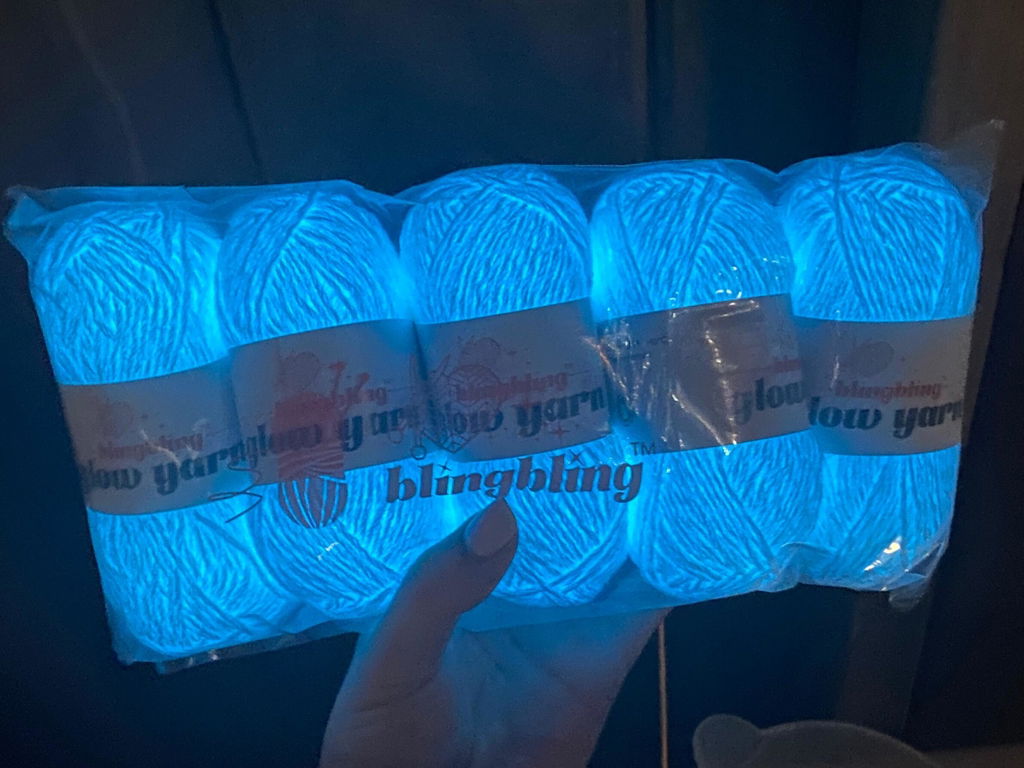
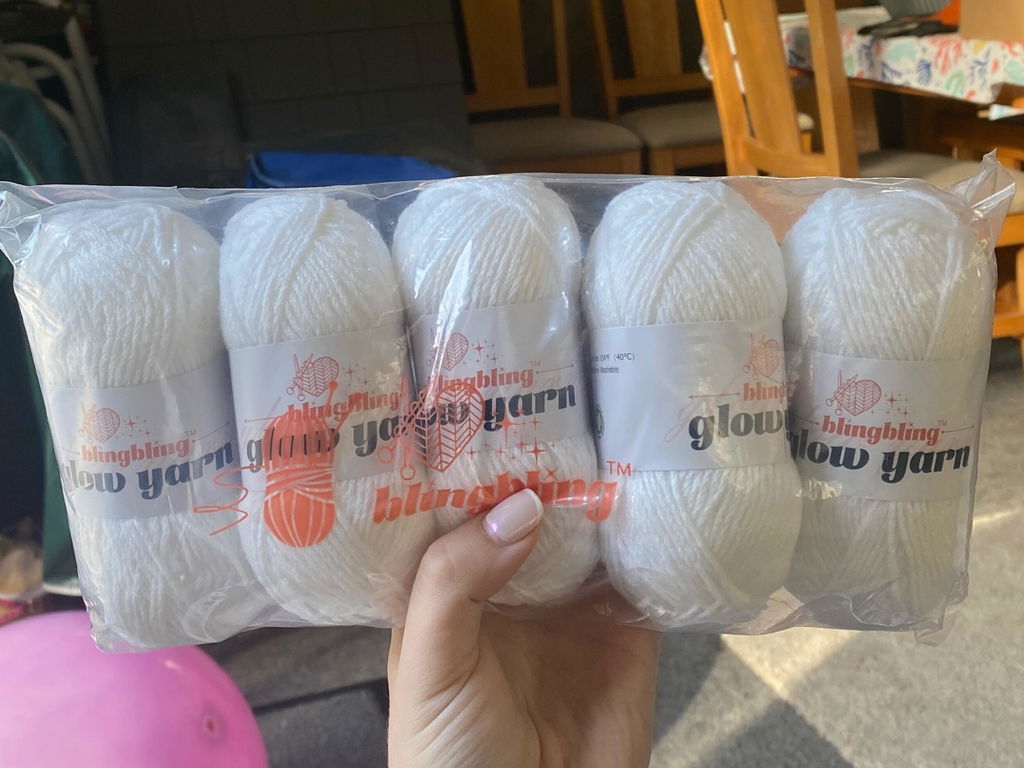
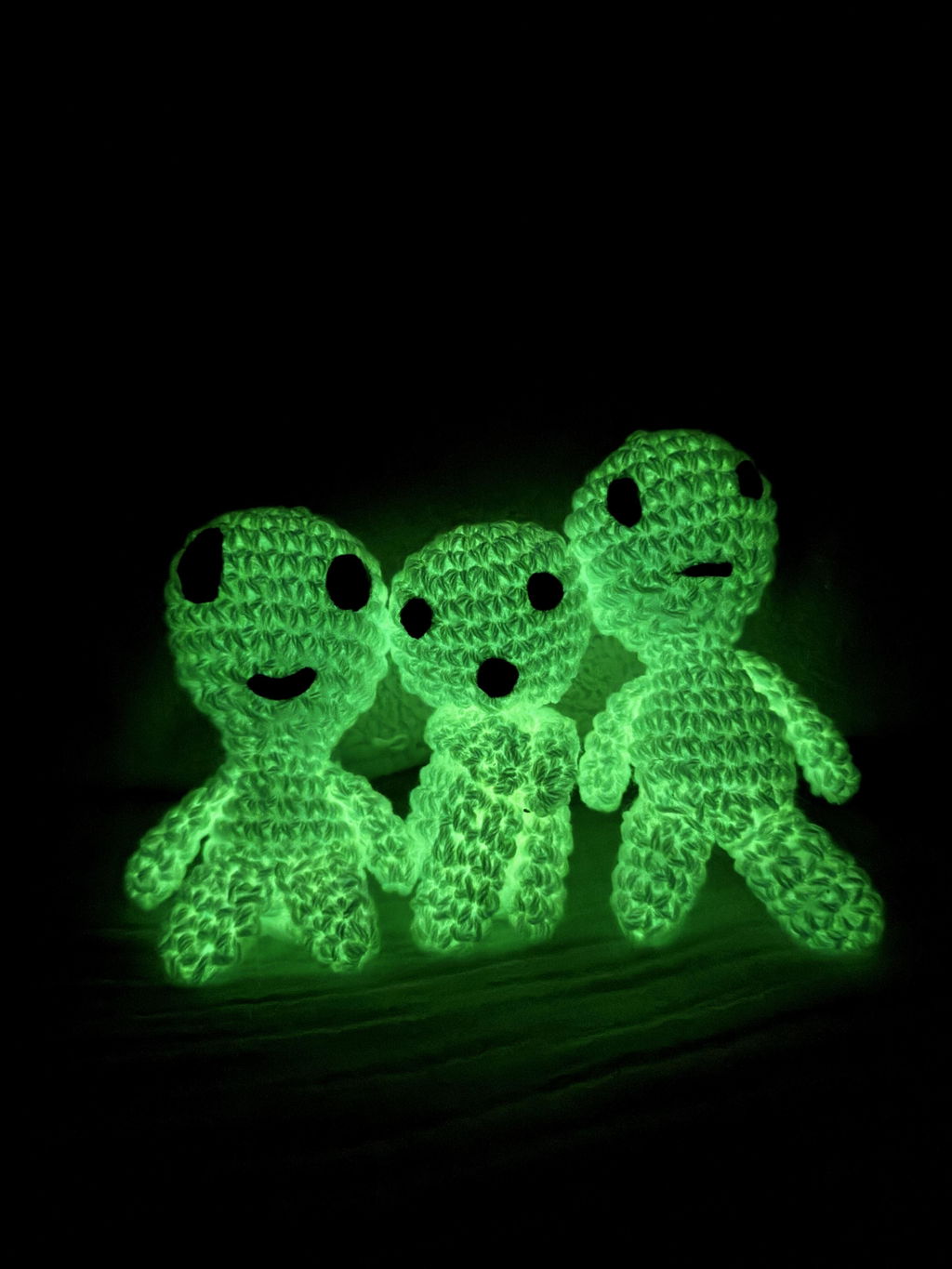
For more no-sew and finishing techniques, check out our Glow Yarn Collection for specialty yarns that add creative flair to your projects.