Are Glow-in-the-Dark & Reflective Yarns Safe for Pets?

Are Glow-in-the-Dark & Reflective Yarns Safe for Pets?
If you crochet or knit for a cat or dog — a glow collar wrap, a reflective bandana, a little sweater — the question comes up fast: is this yarn actually safe for them to be around?
The honest answer has two parts: the materials are not the thing to worry about, and the object is. Here is what we can say with confidence, and what we genuinely can't confirm yet.
Quick Answer
The materials themselves are not known to be toxic, and neither yarn is radioactive or coated in loose powder — the pigment is blended into the fiber. The real risk is mechanical: cats and dogs can swallow yarn. Keep crafting materials away from pets, and supervise any pet item made with these yarns.
What's Actually Inside These Two Yarns
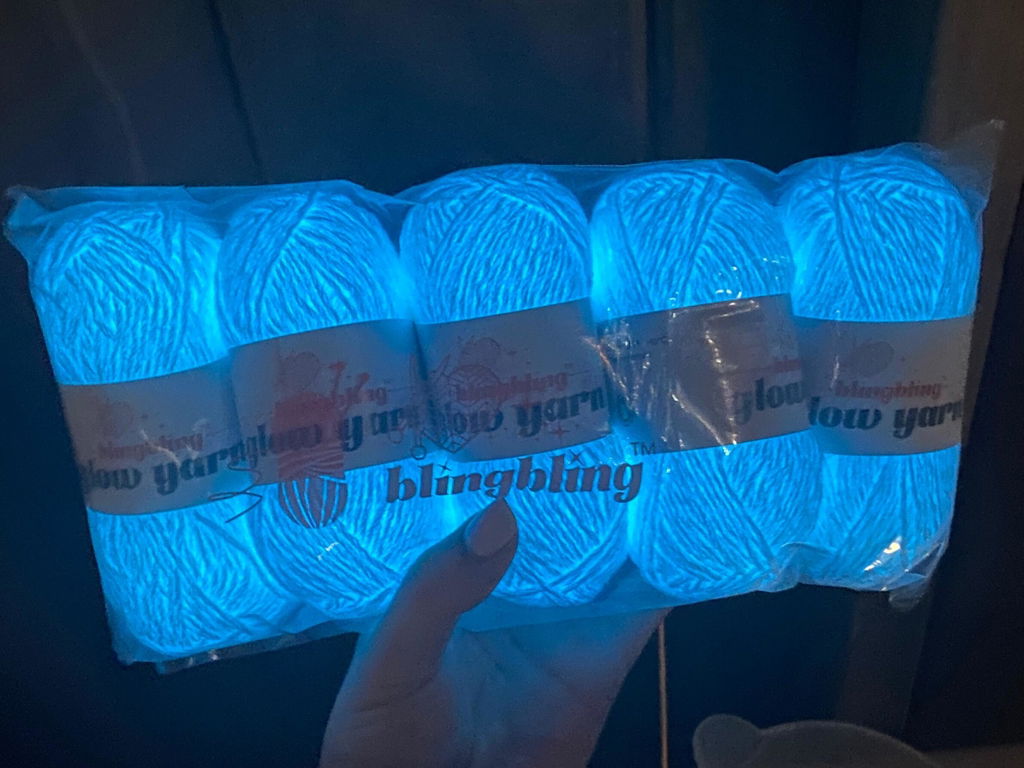
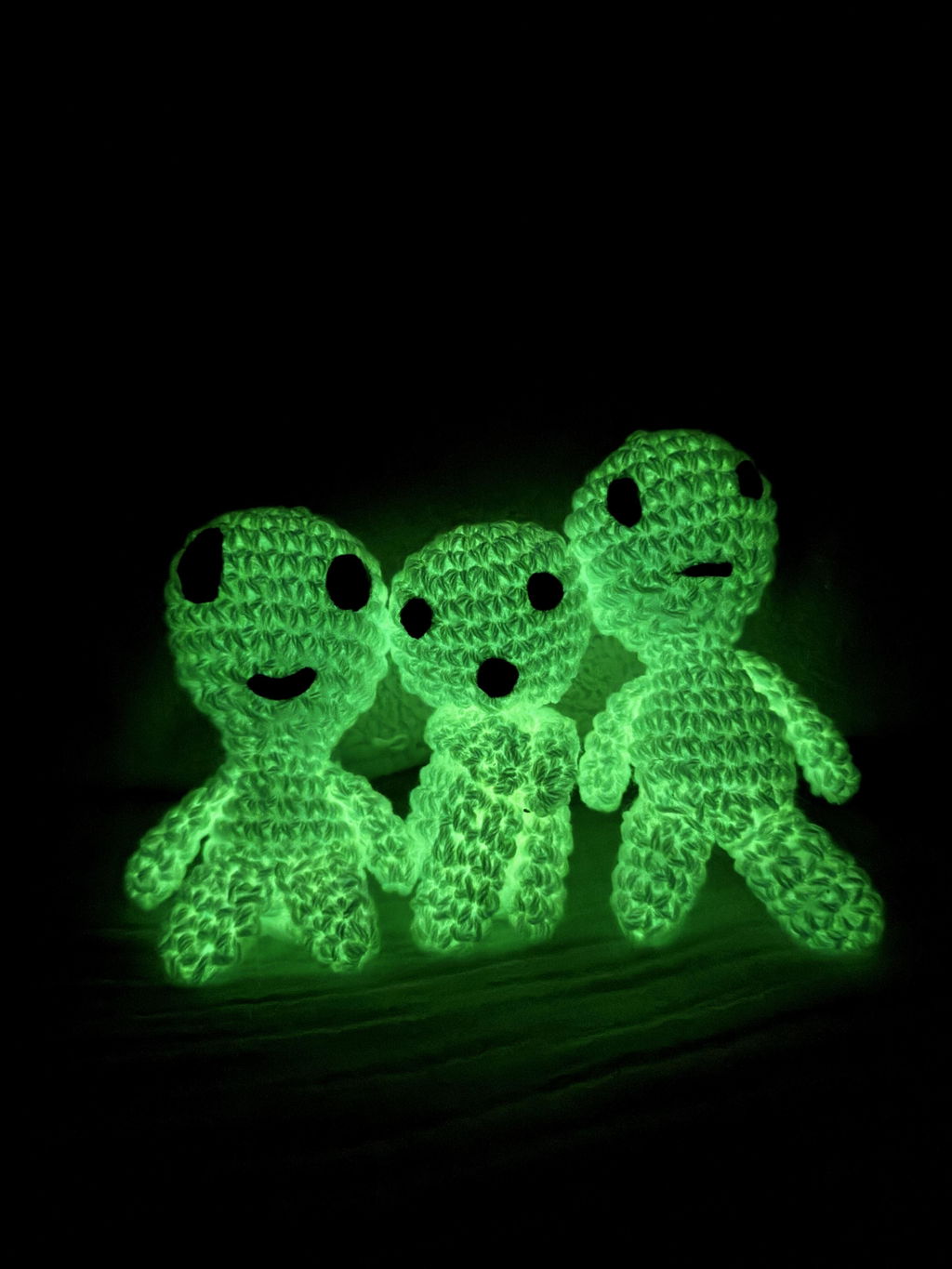
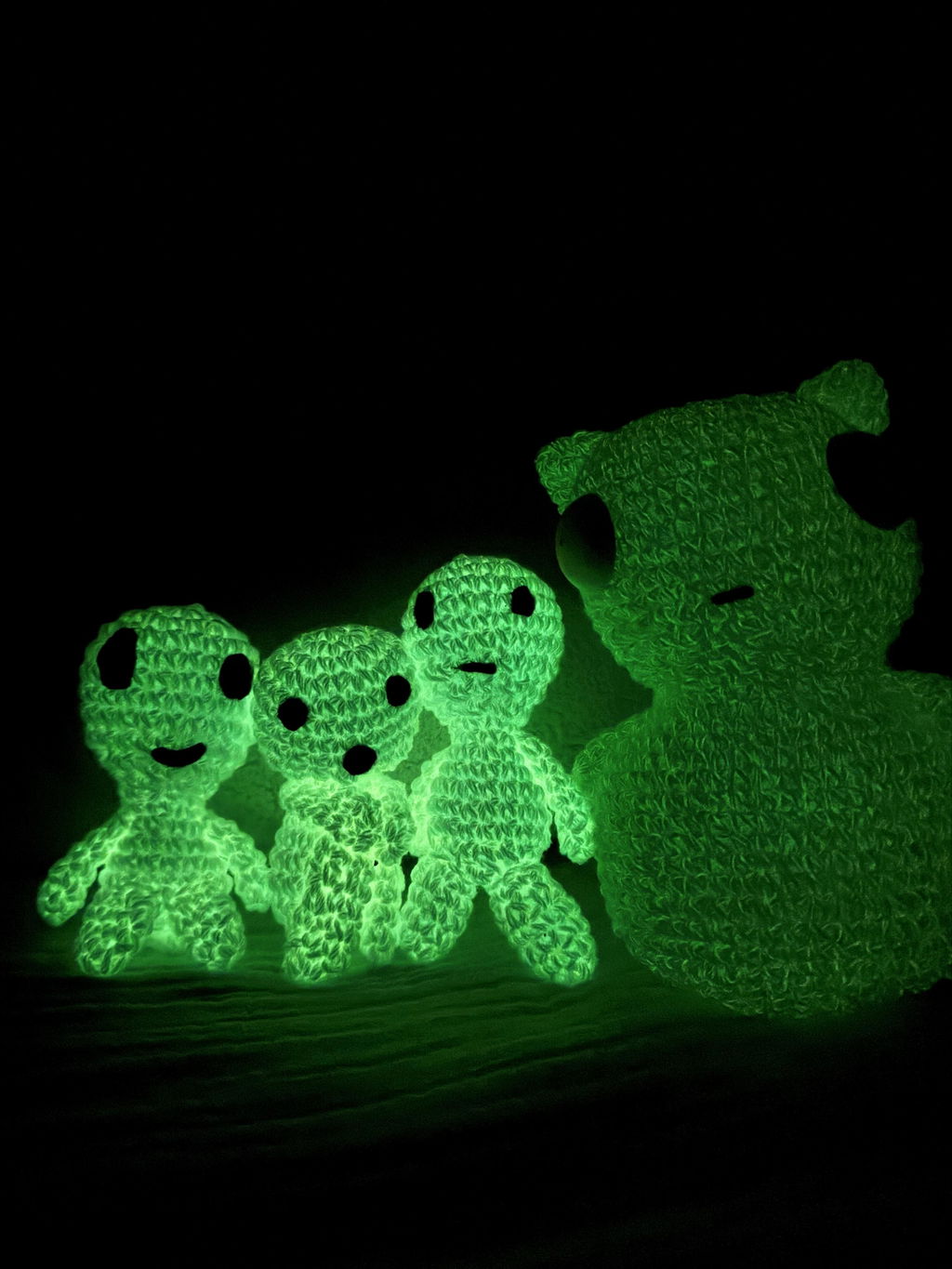
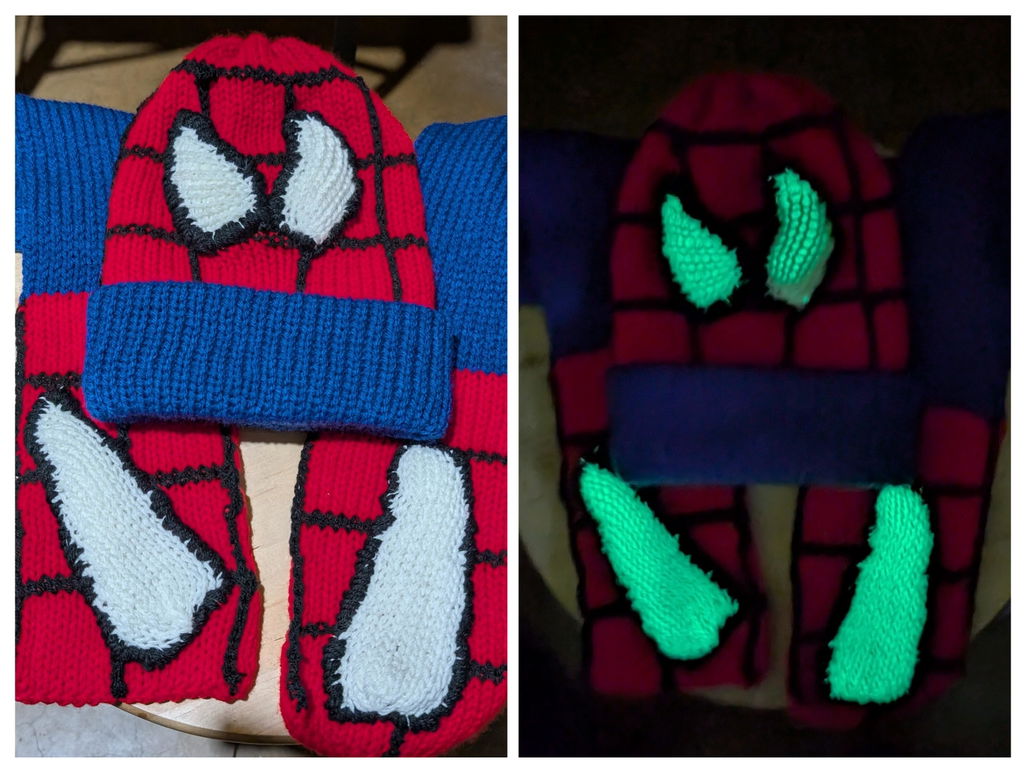
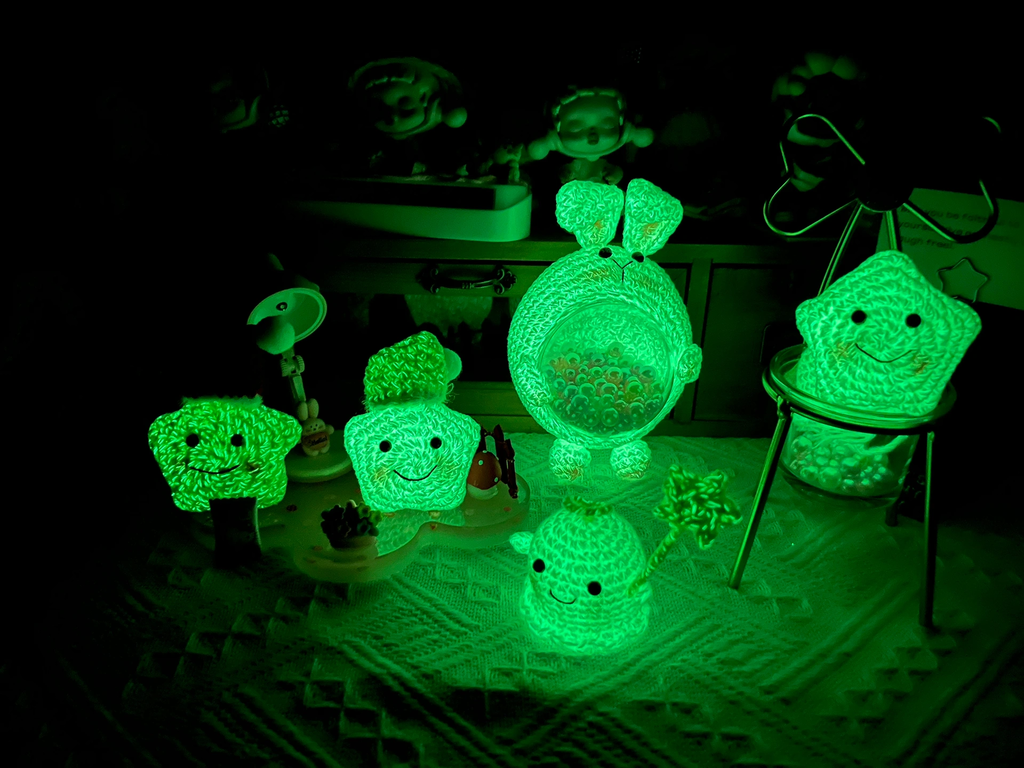
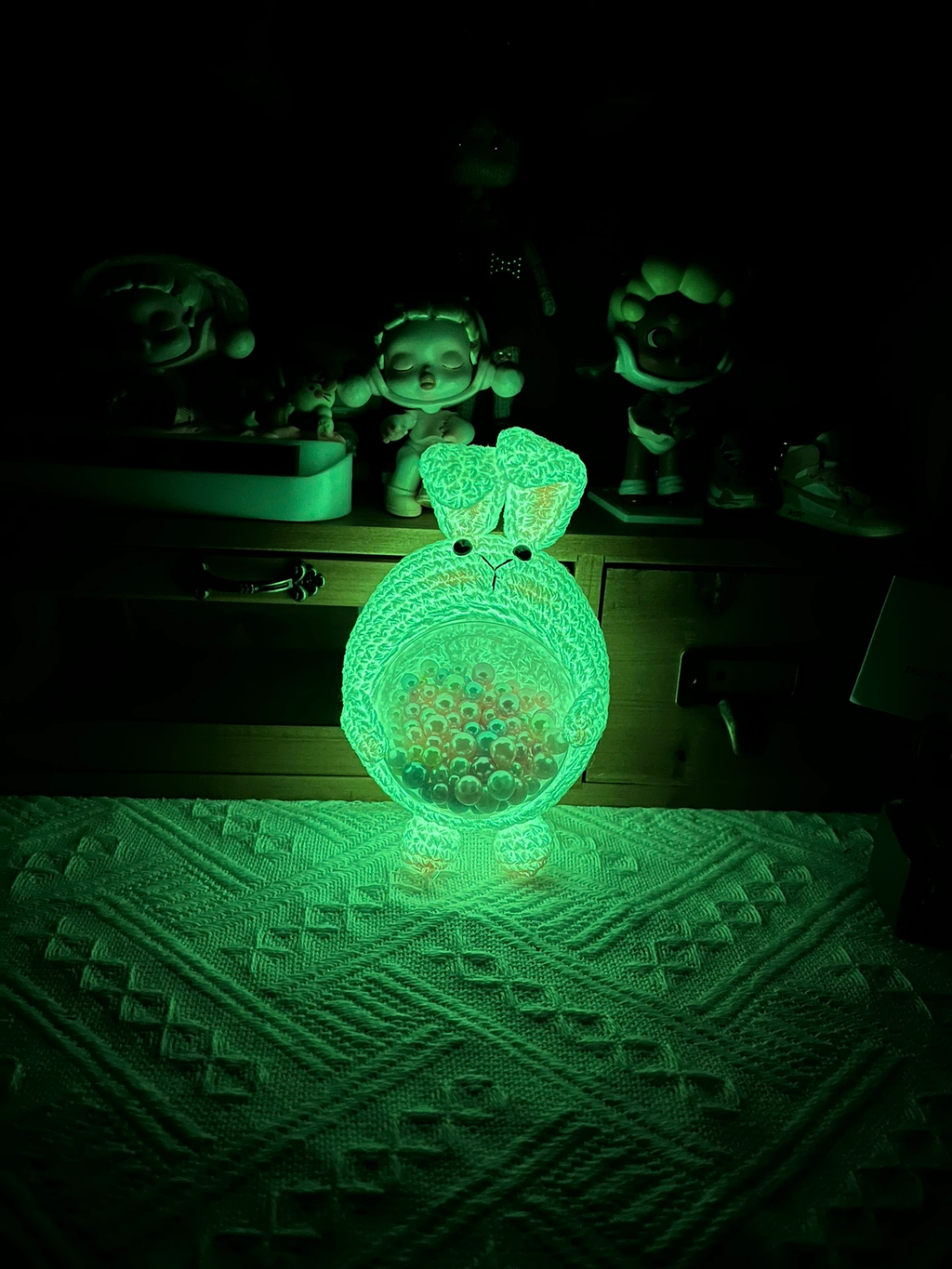
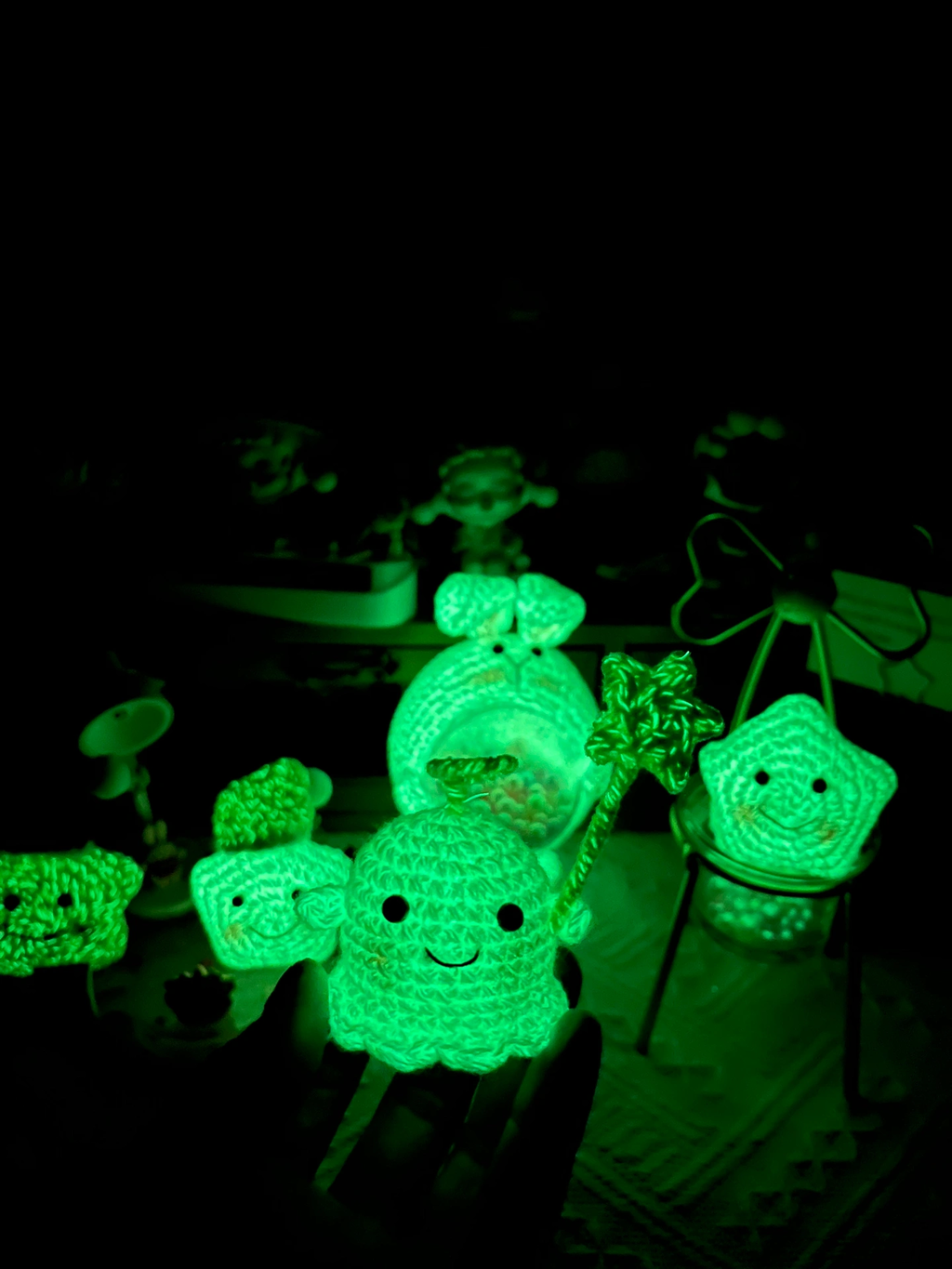
Glow-in-the-dark yarn gets its effect from photoluminescent pigment — most commonly strontium aluminate, the same family of material used in glow stars, watch dials, and safety signage. The pigment absorbs ambient light and slowly re-emits it as a soft glow when the lights go down. It is not radioactive; it does not contain radium or tritium.
Reflective yarn works on a completely different principle: tiny glass beads or metallic-coated fibers are spun into the yarn. When a light source — a phone flashlight, a car headlight — hits them, the light bounces back toward its source. That's why reflective trim looks dull in daylight and suddenly lights up when a beam catches it.
In both cases, with a properly made yarn the active material sits inside the fiber, not dusted on the surface where it could rub off onto a paw or a tongue.
The Real Risk Isn't Chemistry — It's Ingestion
This is the part worth taking seriously.
Yarn is not food and not digestible. For cats in particular, string-like materials are a known hazard: a swallowed strand can bunch up in the gut, and a strand that stays anchored at one end while the other end travels can cause serious problems. In veterinary medicine this is treated as an emergency, not a wait-and-see.
What that means in practice:
- Never leave yarn, scraps, or WIPs where a pet can reach them. Cats in particular will find a loose strand in seconds.
- Don't let pets play with yarn as a toy. If you want a chase toy, use a purpose-made one, not a strand of yarn you also craft with.
- If you think your pet swallowed yarn, contact your veterinarian right away. Don't pull on a visible strand, and don't wait for symptoms. This article is not veterinary advice — your vet is the only one who can assess your animal.
- Finished items need to be boring. Tight, secure joins, all ends woven in and trimmed, no long trailing tails, no wobbling beads or pom-poms that invite chewing.
Skin Contact, Chewing, and Allergies
For normal contact — a pet wearing a finished bandana, or brushing against a project — the fibers used in craft yarn are not considered a chemical hazard in themselves. Reactions, when they happen, are usually mechanical: roughness, a scratchy fiber, or a tag that rubs.
If your pet shows any of these, treat it as a signal and stop:
- Persistent scratching, biting, or licking at the item
- Redness, irritation, or hair loss under a worn piece
- Any sign of chewing, fraying, or a loosened strand
With chewers, the safest projects are the ones with the least to grab: a flat, tightly worked bandana or a snug reflective accent on an existing properly fitted harness, rather than a dangling, bead-heavy accessory.
One Important Distinction: Decorative vs. Load-Bearing
A handmade yarn collar or leash wrap is decorative. It is not a restraint device. Yarn stretches, wears, and can fail at exactly the wrong moment, and a pet that pulls free near a road is the scenario this whole category is trying to prevent.
The safe pattern is:
- Start with a properly fitted, rated collar or harness that is already correct for your animal's size and strength.
- Add glow or reflective yarn as a visible accent on top of it — a wrap, a trim, a stitched-on detail.
- Keep the hardware (buckles, D-rings, clips) as the original manufacturer made it.
What We Can Confirm, and What We Can't (Honest Gap List)
We would rather tell you what's missing than guess.
Confirmed, with a documented source:
- The supplier behind our yarns holds ISO 9001, SGS, GRS and OEKO-TEX certifications (company-level, per the brand knowledge base). OEKO-TEX and SGS relate to textile safety and restricted substances in the textile context.
- Glow-in-the-dark and reflective craft yarns are made with the same general classes of material as glow safety signage and reflective trim — well-established consumer applications.
- Neither yarn type is radioactive.
Not confirmed — do not treat as a claim (gap):
- ❌ No pet-specific safety testing. We are not aware of any pet-safety certification for these yarns, and there is no recognized "pet-safe toy" standard equivalent to children's toy testing.
- ❌ No per-SKU certification documents have been published yet. "Company holds OEKO-TEX/SGS" is not the same as "this exact SKU is certified", so we don't blur the two.
- ❌ No test data on long-term exposure (pets that chew daily, pets that sleep on a project).
- ❌ No veterinary review of this article. It is a materials and practical-use guide, not medical advice.
If you need certification documents for a specific product before buying for a pet, ask us — we would rather check the file than have you assume.
Practical Checklist for Pet Projects
- Choose a smooth, tightly spun yarn over a fuzzy, shed-prone one if your pet chews
- Work tightly so there's less to snag; finish every end
- Wash and dry the finished piece before it goes on the animal, following the yarn's care label
- Inspect weekly: loose strands, fraying, stretched-out or chewed spots → repair or retire
- Keep finished pet items out of reach when not being worn
- Never use a handmade yarn collar or leash as the only restraint
- Supervise the first few wearings — most problems show up early
Frequently Asked Questions
Is glow-in-the-dark yarn radioactive? No. Modern glow-in-the-dark yarn uses photoluminescent pigment (commonly strontium aluminate), which absorbs and re-emits visible light. It is a different technology from radioactive paints and does not need or contain radioactive material.
Is it safe if my cat chews on a glow yarn project? Chewing is the main hazard here, not the pigment. Yarn strands can be swallowed and cause serious internal problems. Keep projects up and away from cats, and if you suspect your cat has swallowed yarn, contact your veterinarian immediately.
Can I make a glowing collar for my dog? You can make a glowing accent for a collar or harness. Use it as decoration on top of a properly rated collar or harness, never as the restraint itself.
Will reflective yarn hurt my pet's eyes? Reflective yarn bounces a light beam back toward its source — that's why headlights and flashes make it flare. It doesn't emit light on its own and isn't a laser, so ordinary use with a dog or cat isn't a hazard. Don't hold a bright flashlight or flash at close range into an animal's eyes.
Can I wash a pet item made with these yarns? Yes, following the yarn's care label. The glow and reflective effects live inside the fiber rather than on a surface coating, so normal gentle washing doesn't wash the effect away. Skip bleach and fabric softener.
Does either yarn keep my pet warm in winter? A knitted piece adds a layer, but how much warmth it provides depends on the fiber, the stitch, and the fit — and a wet acrylic piece doesn't insulate like wool. For cold-weather safety, rely on your own judgement of your animal and your climate, not on a yarn's glow or shine.
My pet is allergic to everything. Should I use these? We can't answer that for your individual animal. The active materials aren't the usual suspects for textile irritation, but if your pet has a history of skin or allergy problems, check with your vet before putting a new fiber against their skin.
The Bottom Line
Glow-in-the-dark and reflective yarns are a good, low-chemical-risk way to add visibility and a bit of magic to pet gear. The safety question worth your attention isn't "is the pigment dangerous" — it's "can my animal get a strand of this into their mouth, and is the thing I made actually strong enough to do its job?"
Craft the accent. Keep the rated collar. Watch your pet. And when in doubt, ask us before you buy.
Explore our collections: Glow-in-the-Dark Yarn, Reflective Yarn, and the rest of the bulingbuling range at blingblingyarn.com.