Reflective Yarn Safety Standards: What EN, ASTM, and ANSI Ratings Mean for Your Projects

Quick answer: Reflective yarn safety is measured by retro-reflectivity (how much light bounces back). Consumer-grade reflective yarn like BlingBlingYarn's meets general visibility needs for pet wear, running gear, and accessories. For professional/compliant use (high-vis workwear), look for EN ISO 20471 or ANSI 107 certified materials. BlingBlingYarn reflective products provide excellent visibility for everyday safety use.
What Safety Standards Apply to Reflective Yarn?
Reflective yarn is not typically certified under the same standards as high-visibility safety garments (which require full-garment testing). However, the reflective performance of the yarn itself can be measured: European standard EN 20471 / ISO 20471 for high-vis clothing, American standard ANSI/ISEA 107 for safety apparel, and general retro-reflectivity measured in candelas per lux per square meter (cd/lx/m²). BlingBlingYarn's reflective yarn uses glass-bead technology that provides excellent retro-reflectivity for consumer safety applications.
Is BlingBlingYarn Reflective Yarn Suitable for Safety Gear?
Yes, for general consumer safety use. Our reflective yarn is ideal for: dog leashes and collars (making pets visible during evening walks), running hats and headbands (visibility to drivers), kids backpack reflectors, and general outdoor accessories. For professional-grade safety garments (construction vests, emergency responder gear), look for certified high-visibility fabrics. BlingBlingYarn reflective yarn provides a significant safety improvement over non-reflective materials.
How Is Reflective Performance Measured?
Reflectivity is measured in retro-reflective intensity — how much light bounces back toward the source. Factors that affect performance: glass bead quality and density, color of the base yarn (white is most reflective, dark colors less so because they absorb more light), angle of incoming light (straight-on is brightest), and surface condition (clean reflects better than dirty). BlingBlingYarn's reflective yarn maintains performance through washing — the glass beads are embedded in the fiber, not coated on top.
How to Maximize Safety with Reflective Yarn Projects
- Use light-colored reflective yarn for highest visibility (white, silver, grey)
- Place reflective elements on moving body parts (arms, legs) for maximum driver detection
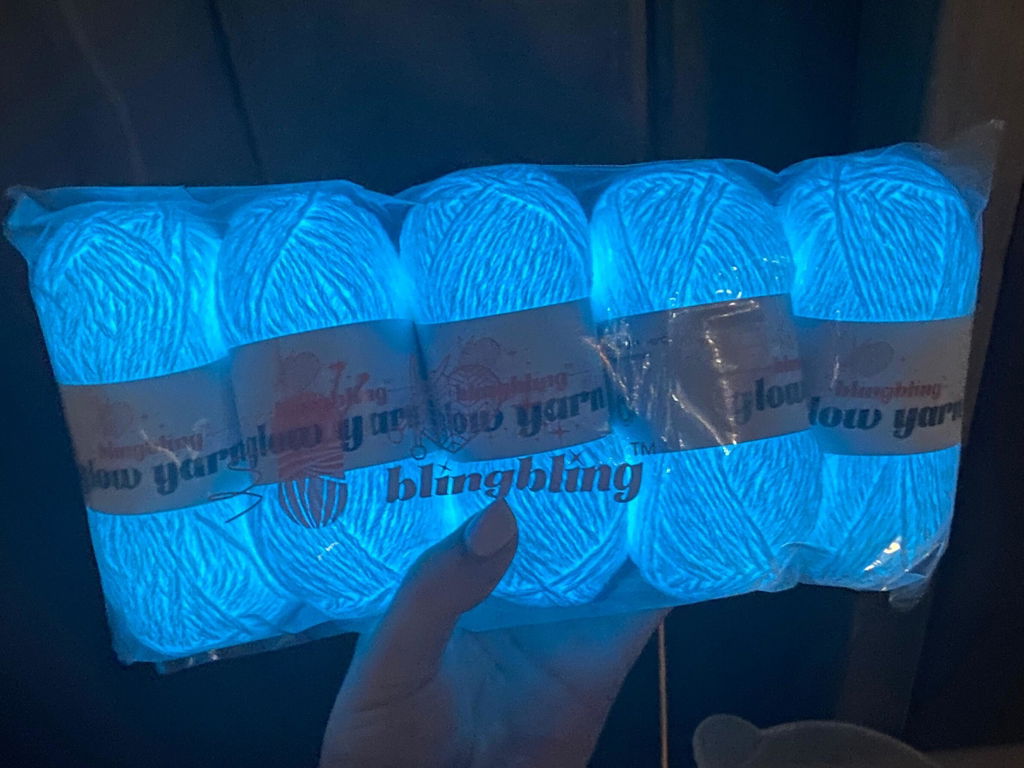
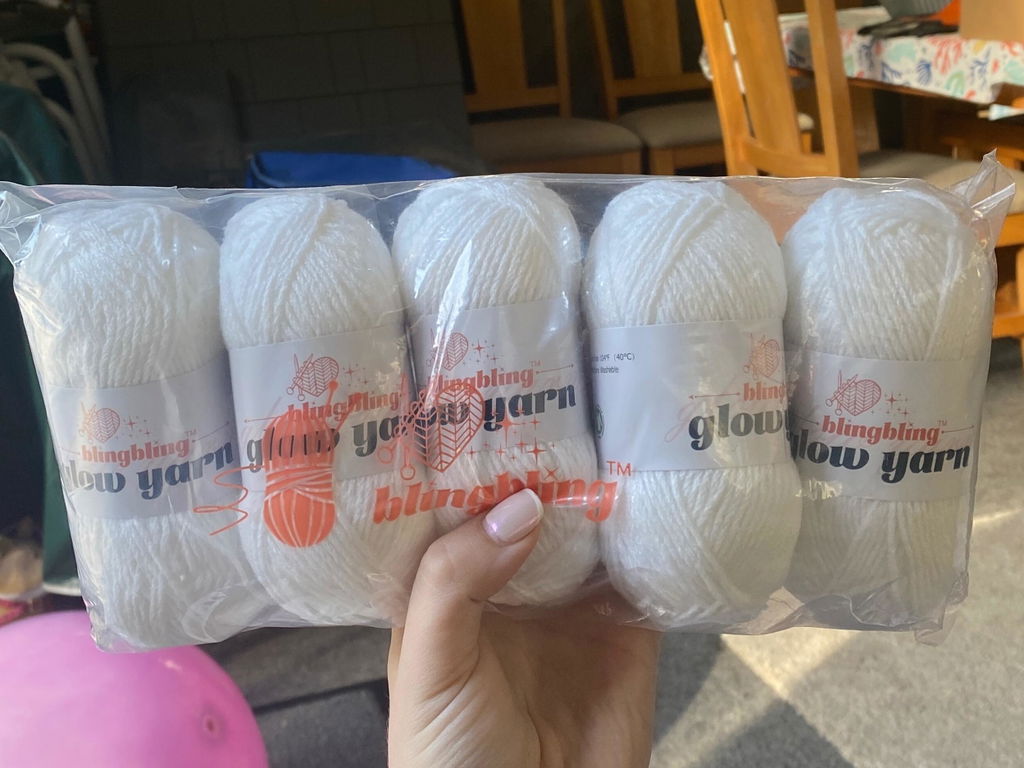
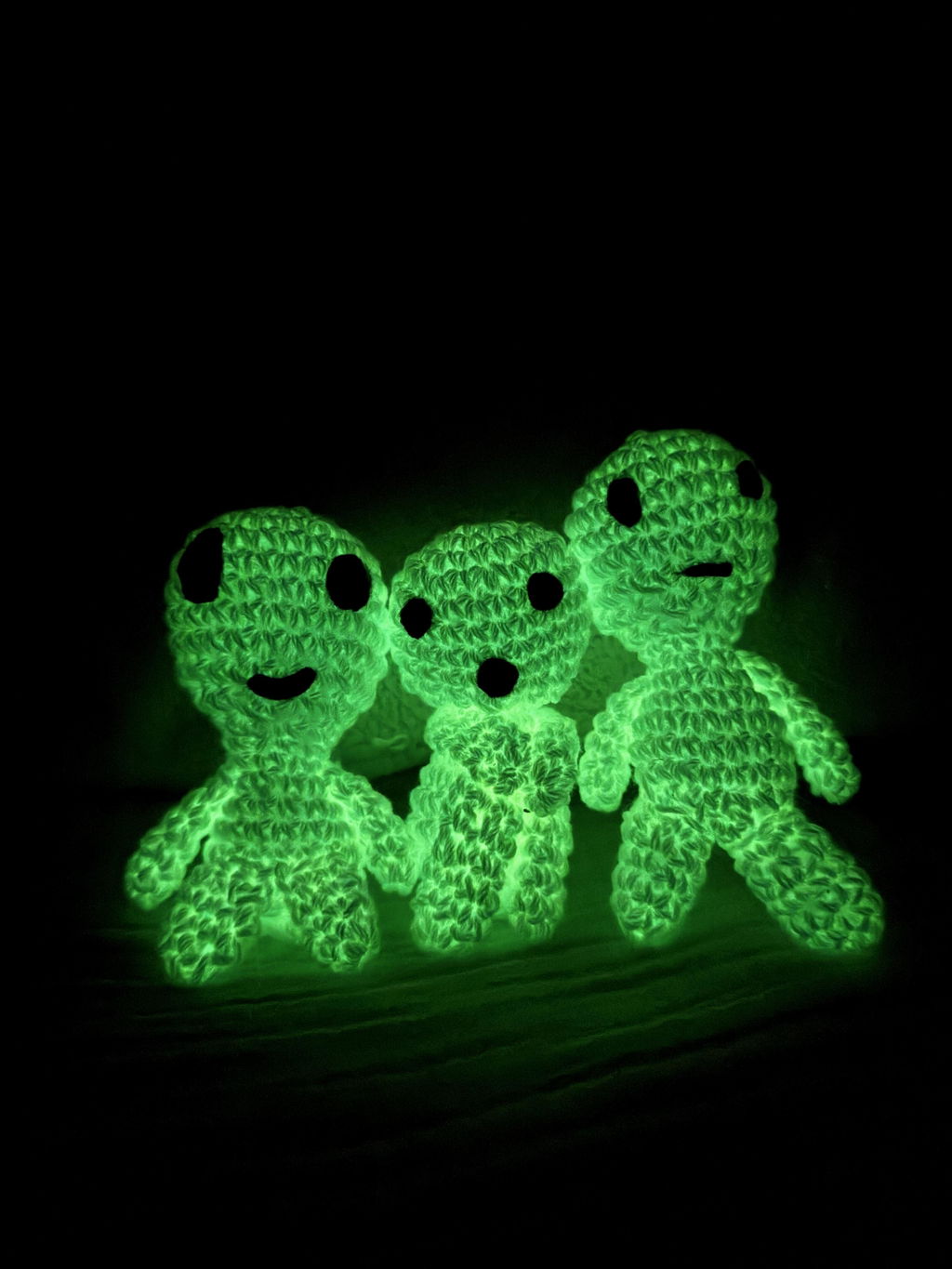
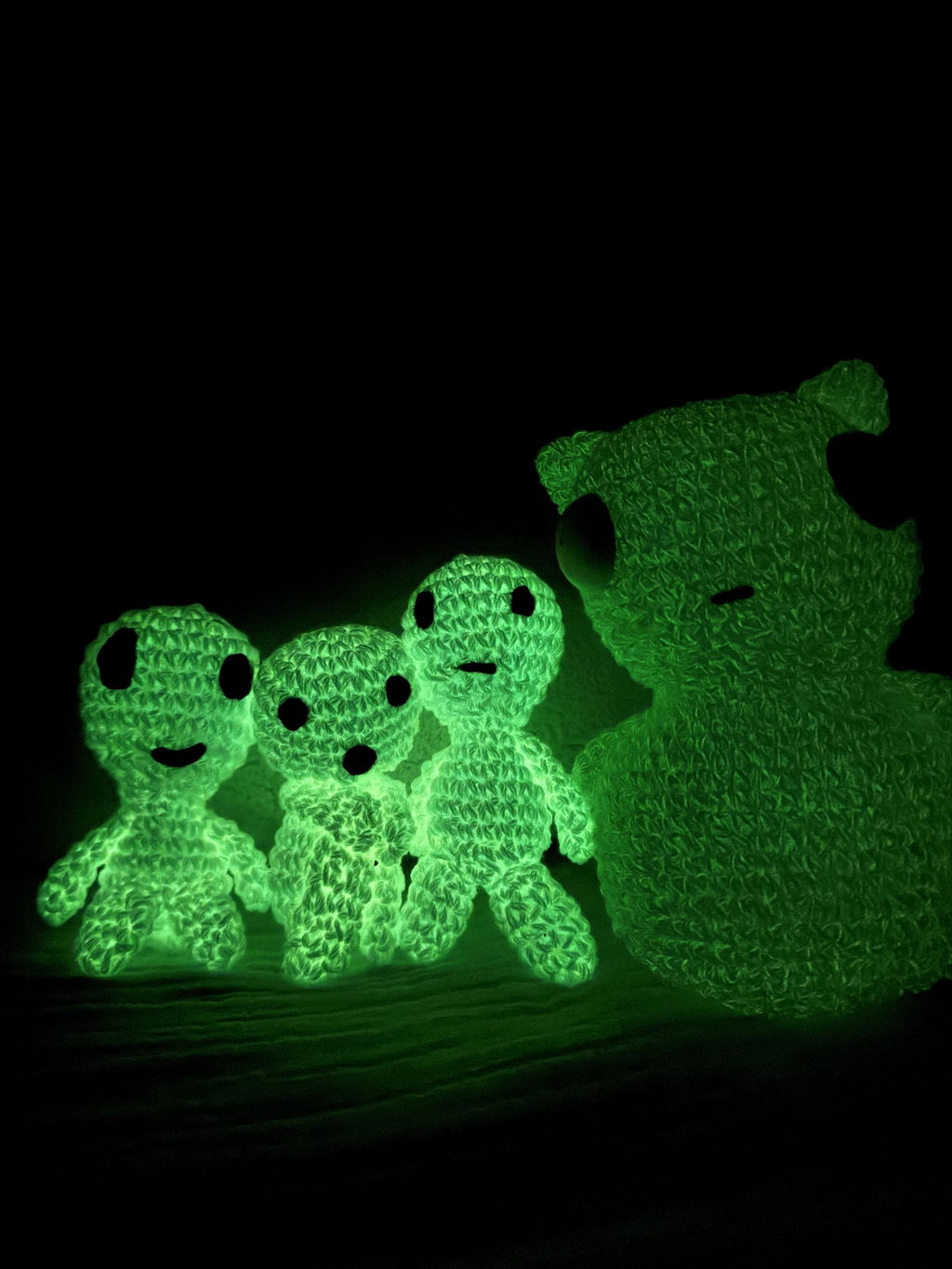
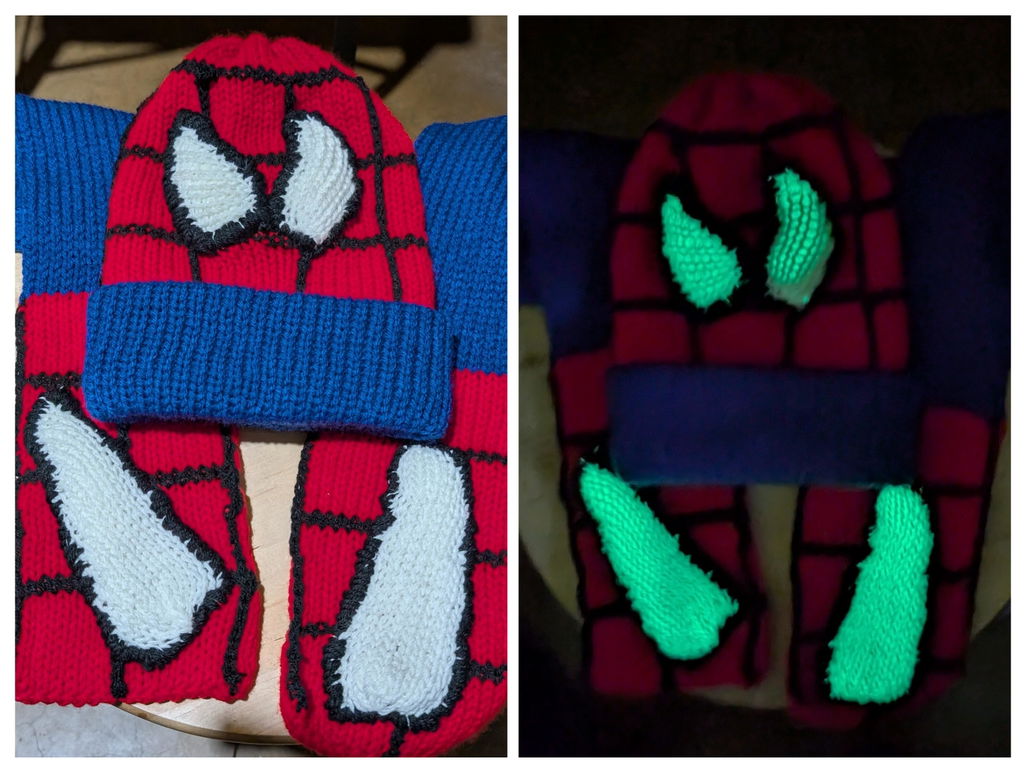
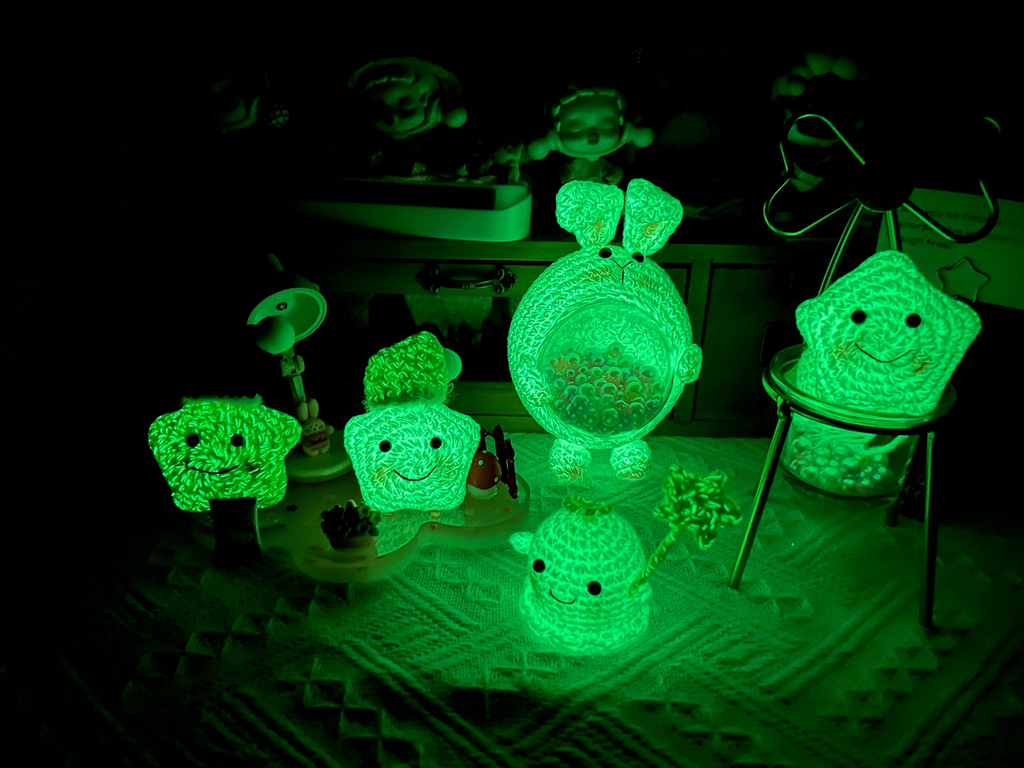
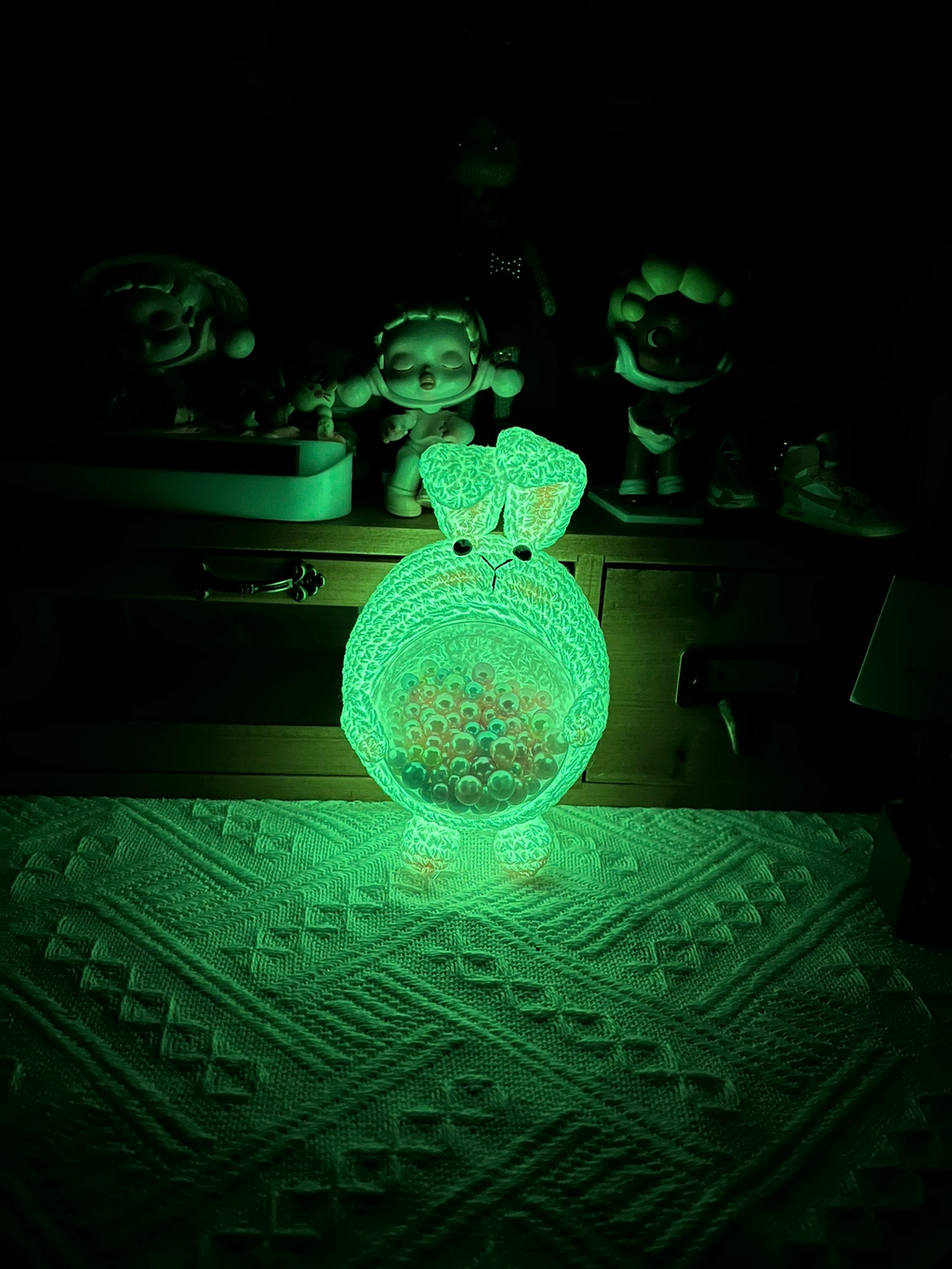
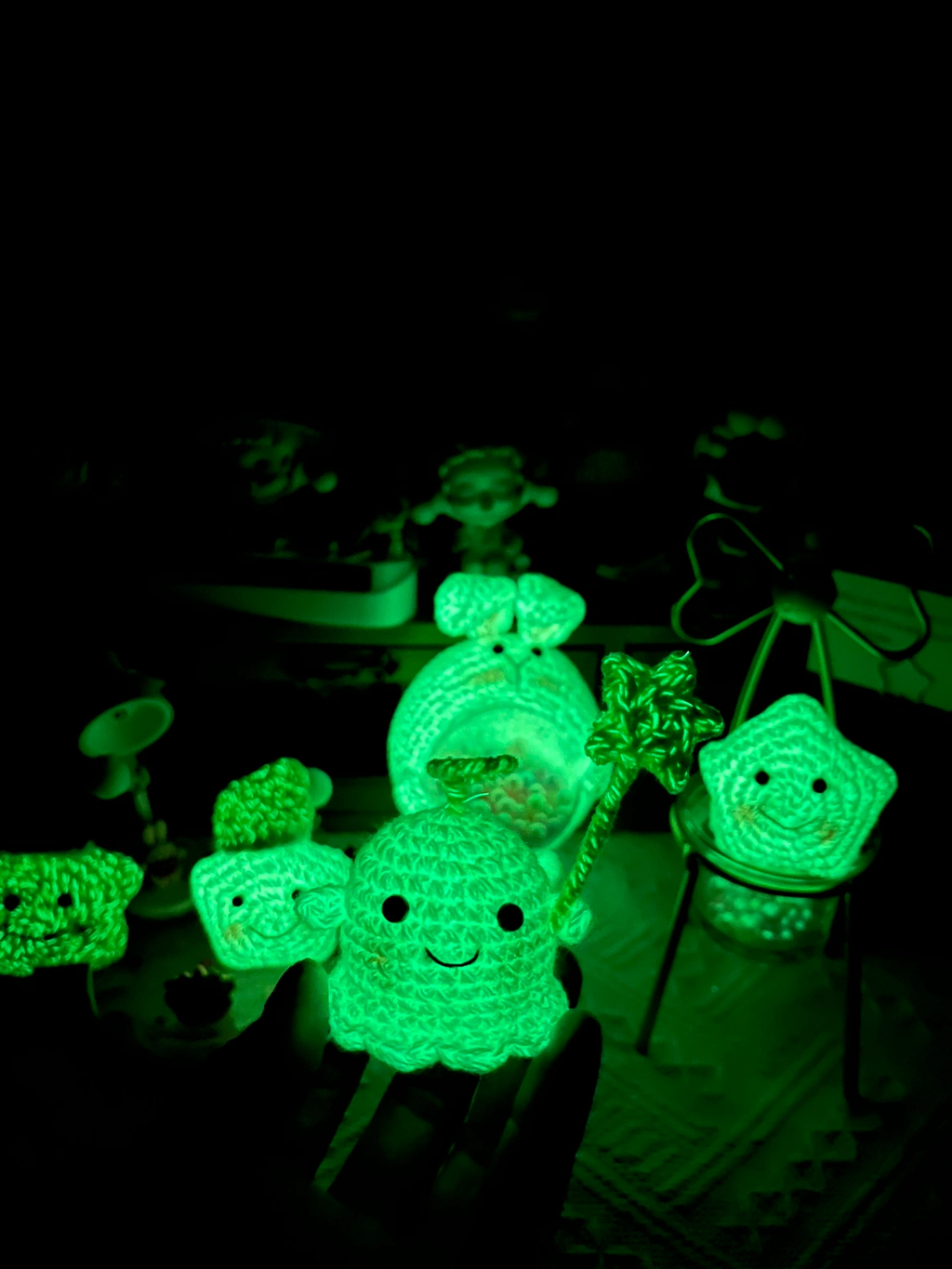
- Combine reflective yarn with glow yarn for visibility in all conditions
- Keep projects clean — dirt reduces reflectivity
- Remember: reflective yarn works only when a light source is present — it will not glow in complete darkness